
Digitalising housing services
11th September 2026
A new approach to apartment design standards
11th September 2026Latent defects: What should an AHB do when problems emerge?

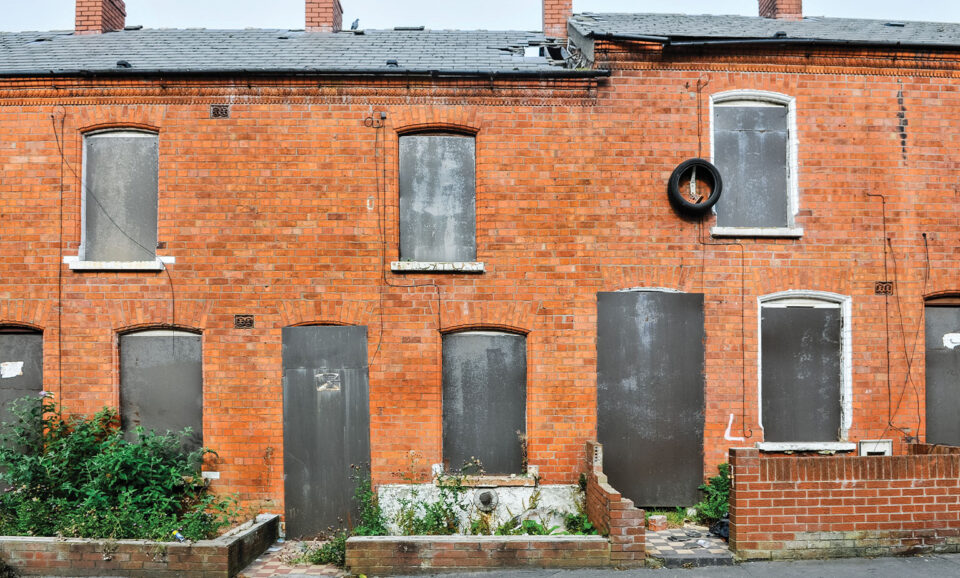
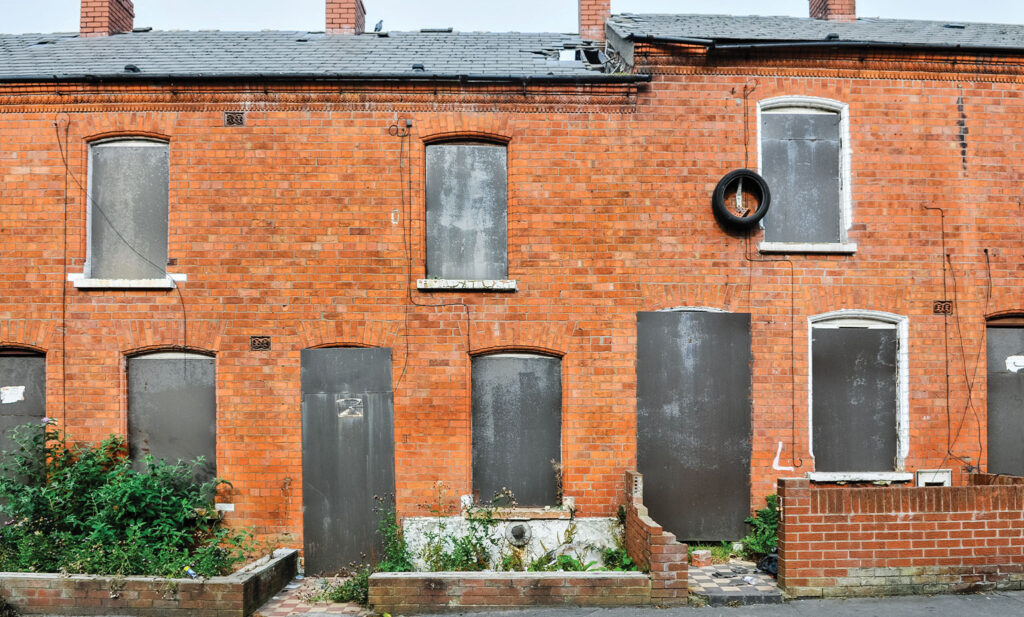
Latent defects are faults in design, workmanship, or materials that become apparent only after a development has been completed and occupied. For an approved housing body (AHB), a defect raises immediate concerns around tenant safety, disruption, and remedial costs. Early, organised action is critical to preserving recovery options, write Ruth O’Connor and Katelin Toomey, O’Connor LLP.
Safety comes first. The AHB should consider whether temporary works, restricted access, or alternative accommodation are required and notify its property insurers where appropriate. Any emergency measures should be recorded carefully and, in so far as possible, carried out without destroying evidence of the cause of the defect.
The AHB should assemble a clear record of the defect: photographs, videos, tenant complaints, inspection reports, maintenance records, and correspondence. Unless urgent action is required, potentially responsible parties should be allowed to inspect before remedial works begin. A suitably qualified expert may be needed to determine cause, extent, and repair cost.
Key documents should be reviewed promptly, including any development agreement or building contract, contract for sale, professional appointments, collateral warranties, and insurance. The review should identify responsible parties, notice requirements, liability caps, exclusions, and time limits. If the arrangement involves construction operations, the AHB should consider whether the Construction Contracts Act 2013 (the Act) applies. A contract for the sale of completed property and standard collateral warranties will not generally constitute construction contracts under the Act, but development or forward-purchase agreements or collateral warranties with substantive construction obligations should be reviewed on their terms.
Contractual protections should not be overlooked. Many AHBs now require a retention as a standard contractual provision. This requires an agreed percentage of the purchase price to be withheld for a defects period and released in stages once the defects period has expired and notified defects are remedied. Where retention is held under a construction contract governed by the Act, its withholding and release should be administered in accordance with the contractual and statutory payment regime.
Other protections may include performance bonds, collateral warranties, professional indemnity insurance and express defects obligations. The requirements and deadlines for invoking each protection should be checked carefully.
Finally, notices should be served promptly on responsible parties and insurers in the manner required by the contract or policy. Limitation periods must be assessed immediately: investigations, negotiations, and repair programmes do not necessarily stop time running.
For construction contracts entered into on or after 25 July 2016, the Act should be considered where defects affect valuation, deductions, set-off, retention, or another sum claimed as due. AHBs that act quickly, preserve evidence, and take coordinated legal and technical advice will be best placed to protect tenants and recover losses.
Please note that this does not constitute legal advice and AHBs should always seek advice from their legal advisers in relation to defects/ retention.

T: 016764488
E: mail@oclegal.ie
W: www.oclegal.ie