
AHBRA and local authorities: Understanding our respective roles
11th September 2026
Rory Hearne TD: ‘The case for a state construction company’
11th September 2026Simon Week 2026: From commitment to action
In June 2021, Ireland signed the Lisbon Declaration, joining other EU member states in a shared commitment to work towards ending homelessness by 2030. At the time, 5,847 adults, 932 families, and 2,167 children were living in emergency accommodation in Ireland. Five years on, instead of moving closer to that ambition, we have moved further away from it, writes Ber Grogan, Executive Director, Simon Communities of Ireland.
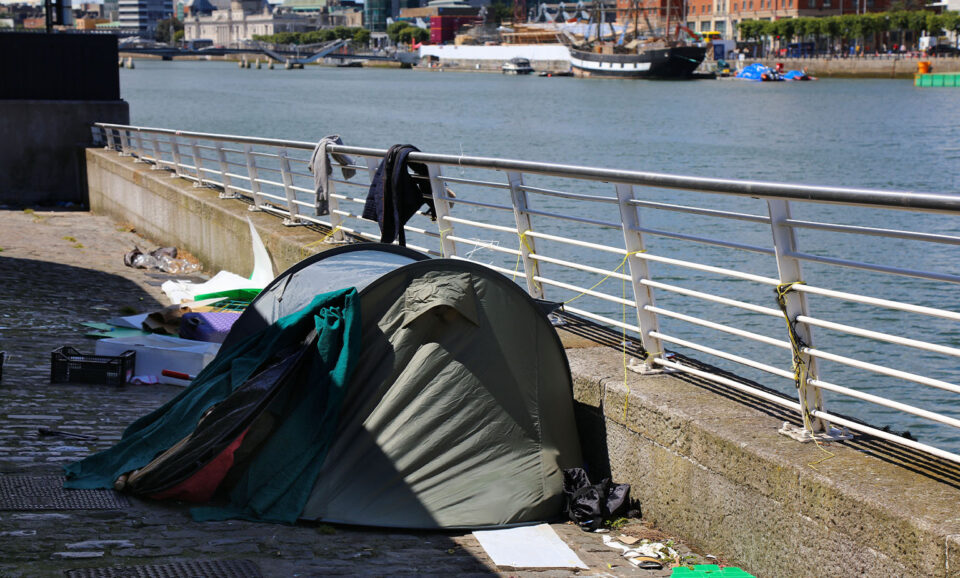
The latest figures show that there are over 17,000 adults and children living in emergency accommodation across Ireland. These are not just statistics. They are people whose lives are being defined by uncertainty, trauma, and the absence of something every person deserves: a safe and secure home.
Ireland is one of the wealthiest countries in Europe. We have the resources, the land, the expertise, and the empty properties needed to change this trajectory. Yet homelessness continues to deepen and become more entrenched. Simon Week takes place from 21 to 27 September 2026 and provides an opportunity to move the conversation from commitments to delivery.
The theme of Simon Week is the largely ignored cohort of people experiencing homelessness alone. We are calling for one big push to end single adult homelessness by 2030, focusing on what works, what needs to be done, and how we can work together to make this happen. Almost two-thirds of all adults are facing homelessness alone and we want to fix it. We will not end homelessness if we continue to exclude the largest cohort of people experiencing homelessness from delivery action plans and priority resourcing.
Throughout the week, the Simon Communities across the country will bring together policymakers, housing experts, frontline workers, academics, communities and people with lived experience to examine what is needed to genuinely end homelessness in Ireland. Too often, people with lived experience are spoken about rather than listened to. Yet our experience across the Simon Communities shows that the people closest to the issue frequently have the clearest understanding of what needs to change.
There has been significant work done around the wording of an EU Council recommendation and Ireland is well-placed to adopt the recommendation during our Presidency. The recommendation has the potential to become a turning point in European housing and homelessness policy. But only if countries, including Ireland, treat it not as another aspirational document, but as a framework for urgent delivery.
At the heart of Simon Week will be our national conference on the 24 September 2026 in Dublin, which will place Ireland’s homelessness crisis within a wider European context while also focusing on practical solutions. The conference programme reflects both the scale of the challenge and the opportunities available if political leadership aligns with evidence-based policy.
European Commissioner Michael McGrath will provide a video address, alongside contributions from Minister for Housing James Browne TD, FEANTSA Deputy Director Ruth Owen, and Finnish housing expert Hanna Kettunen, who will share lessons from Finland’s internationally recognised success in reducing homelessness.
Finland’s experience is important because it proves homelessness is not inevitable. Through sustained investment in housing delivery, Housing First approaches, prevention, and cross-government coordination, Finland has shown what can happen when homelessness is treated as a policy choice rather than a social inevitability.
In Ireland, we know many of the solutions already.
Simon Communities of Ireland has consistently highlighted the urgent need for increased social and affordable housing delivery, stronger prevention measures, better tenant protections, and more effective use of vacant properties. Our publications, including Working to End Homelessness by 2030 and our regular Locked Out of the Market reports, continue to demonstrate the growing barriers facing people trying to access secure housing.
Our research on older adult homelessness highlighted a deeply worrying trend: increasing numbers of older people are entering homelessness later in life due to rising rents, inadequate pension incomes, bereavement, ill health, and insecure tenancies.
These experiences remind us that homelessness is not confined to one demographic. It affects children trying to do homework in hotel rooms, workers commuting long distances from emergency accommodation, older people facing retirement into homelessness, and individuals with complex health needs trapped in cycles of housing instability.
What houses people is political courage. It is ambitious public housing delivery. It is ensuring empty properties are brought back into use. It is investing in Housing First and prevention services. It is recognising housing as infrastructure every bit as essential as roads, schools, or hospitals.
There is still time to honour the commitment made in Lisbon in 2021. But if we are serious about ending homelessness by 2030, then the coming years must look very different from the last five.
We cannot normalise record homelessness figures. We cannot become desensitised to thousands of children growing up without a home. And we cannot continue accepting a situation where some people are locked out of housing in one of the richest countries in the world.
Simon Week 2026 is ultimately about hope, but hope grounded in action, evidence, and accountability.
The solutions exist. The question now is whether we have the collective will to deliver them at the scale this crisis demands.
For further information on Simon Week 2026:
W: www.simon.ie/simonweek