
Building smarter: Modern methods supporting housing delivery
11th September 2026
Housing delivery in the North
11th September 2026Translating EU housing interventions nationally
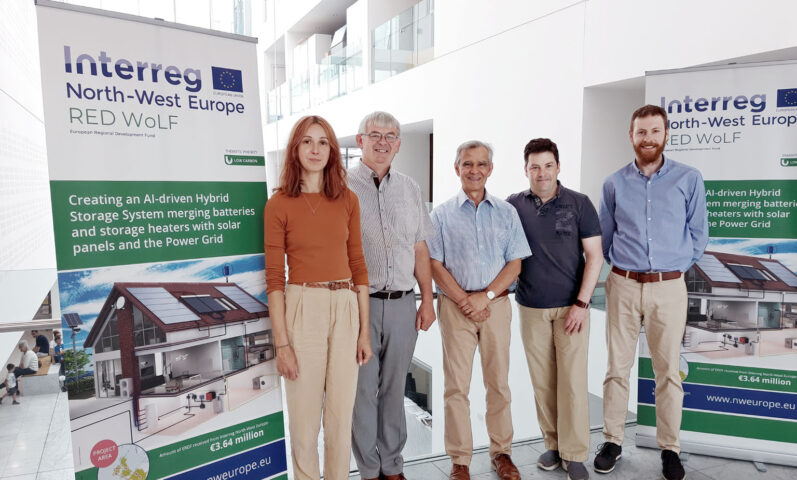
Carbery Housing Association welcomes the fact that homes retrofitted under the RED WoLF project are already saving money on energy bills while reducing their carbon footprint by as much as 80 per cent.
Housing and the increased delivery of homes for European Union citizens is becoming a central economic, social, and environmental issue across the EU, writes Donal McManus, CEO of The Irish Council for Social Housing (ICSH).
The recent and first ever European Affordable Housing Plan, published in November 2025, articulated this clearly. This is despite housing not being an EU competency under EU treaties, and housing policy and delivery the responsibility of individual member states.
EU influence in housing already exists
However, that does not mean the EU has not had a role. Over many years, there have been the obvious spillover effects in areas such as with EU competition and internal market rules such as state aid notification, services of general economic interest (SGEI), procurement, macroeconomic financing rules on government expenditure/debt and classification, energy obligations, and commitments in areas of social exclusion such as homelessness.
Ireland has indeed also utilised EU funding programmes such as the European Regional Development Fund (ERDF) in energy upgrades for local authority social housing. AHBs have accessed Interreg and EU social funds over the years to complement some of their own mainstream work, often as part of R&D.
In addition, the Housing Finance Agency (HFA) has successfully utilised funding in agreements with the European Investment Bank (EIB) to fund increased delivery of social and affordable housing as well as with the Council of Europe Development Bank.
Europeanisation
Despite no EU competency for housing, there has been what is considered a Europeanisation of various housing practices across different borders designed for the local context. For example, cost rental housing delivery has been shared from mature social housing sectors such as Austria, Denmark, and the Netherlands, to Ireland, such as with the relatively new, yet growing, cost rental sector.
In turn, this learning from Ireland is uploaded to eastern European countries such as Hungary and Czechia, developing new forms of rental housing. These mutual learning and exchanges have often been underestimated. However, in the EU, they have been strengthened significantly over the past 40 years by active EU networks such as Housing Europe, the EU federation of national social housing federations, and the network on homelessness, FEANTSA.
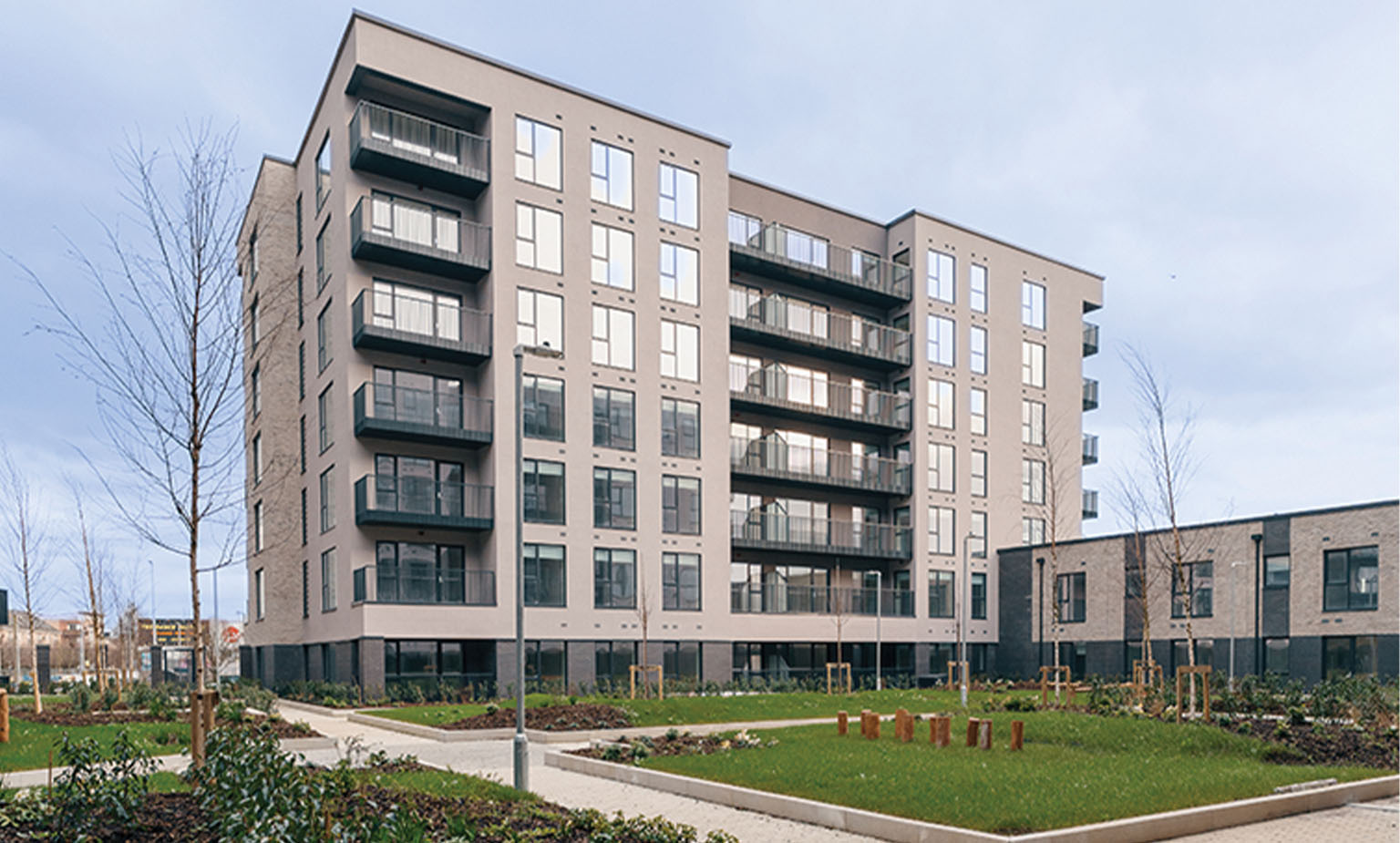
Respond launched a cost rental development at Piper’s Square in Dublin 11 in summer 2026. Cairn has secured international certification from the Passivhaus Institute for the development.
Funding to scale up
While there are a wide range of potential EU funding channels, they have often been difficult to navigate. It is only in recent years that more EU funding channels have been utilised by housing organisations within Ireland.
One example is the EIB technical support programme, ELENA, which local authorities have successfully accessed through various mechanisms to help upscale retrofitting.
This is a similar objective the AHB sector is trying to achieve, and it was included as one of the recommendations from the AHB Strategic Forum Report. The ICSH, together with The Housing Agency and AHBs, is exploring how an ELENA project for significantly increased AHB retrofit of poorly energy efficient homes could operate.
The EU Social Climate Fund, when it is approved, would provide a significant financial framework at national level for this scaled up AHB retrofitting to be undertaken. This would build on the improved retrofit financing arrangements for AHBs through the SEAI announced by the Government this year.
Ireland playing its part
Successive Irish Governments have played prominent roles in the informal meetings of housing ministers which were more active at certain times over previous decades. Alongside this were national focal points in national housing ministries responsible for housing linked to EU matters which coordinated matters for informal ministers’ meetings.
With such an increased focus on housing at EU level, an informal meeting in Ireland under the Presidency should help reenergise housing as a priority with there now being a stronger common focus through the European Affordable Housing Plan.
Under the Irish Presidency, there is the proposed council recommendation on fighting housing exclusion which proposes a housing-led, person-led, and integrated response to homelessness. Ireland aims for agreement ahead of adoption by the EPSCO in October 2026.
Additionally, under the Irish Presidency, it is expected that there will be further progress made through the publication in September 2026 of the Affordable Housing Act and recommendations for areas under housing stress. In addition, an informal meeting of housing ministers and ministers responsible for homelessness will be an important opportunity to translate the increased political response to housing and homelessness into enhanced coordination between members states.
EU to enable delivery
It is important to look to where the EU and its related institutions can provide added value and compliment national policy and initiatives. The new affordable housing plan points to new measures and instruments it will be examining to scale up investment in housing particularly to make housing more affordable. The proposed EU investment platform is one such area.
It also plans to remove any delivery obstacles at EU and Commission level, and it is crucial there is a joined-up approach in the various parts of the Commission to ensure the successful rollout of the new European Affordable Housing Plan.
W: www.icsh.ie
The Irish Council for Social Housing (ICSH) is a member of Housing Europe and Feantsa.