
From planning policy to infrastructure delivery
14th September 2026
Record homelessness
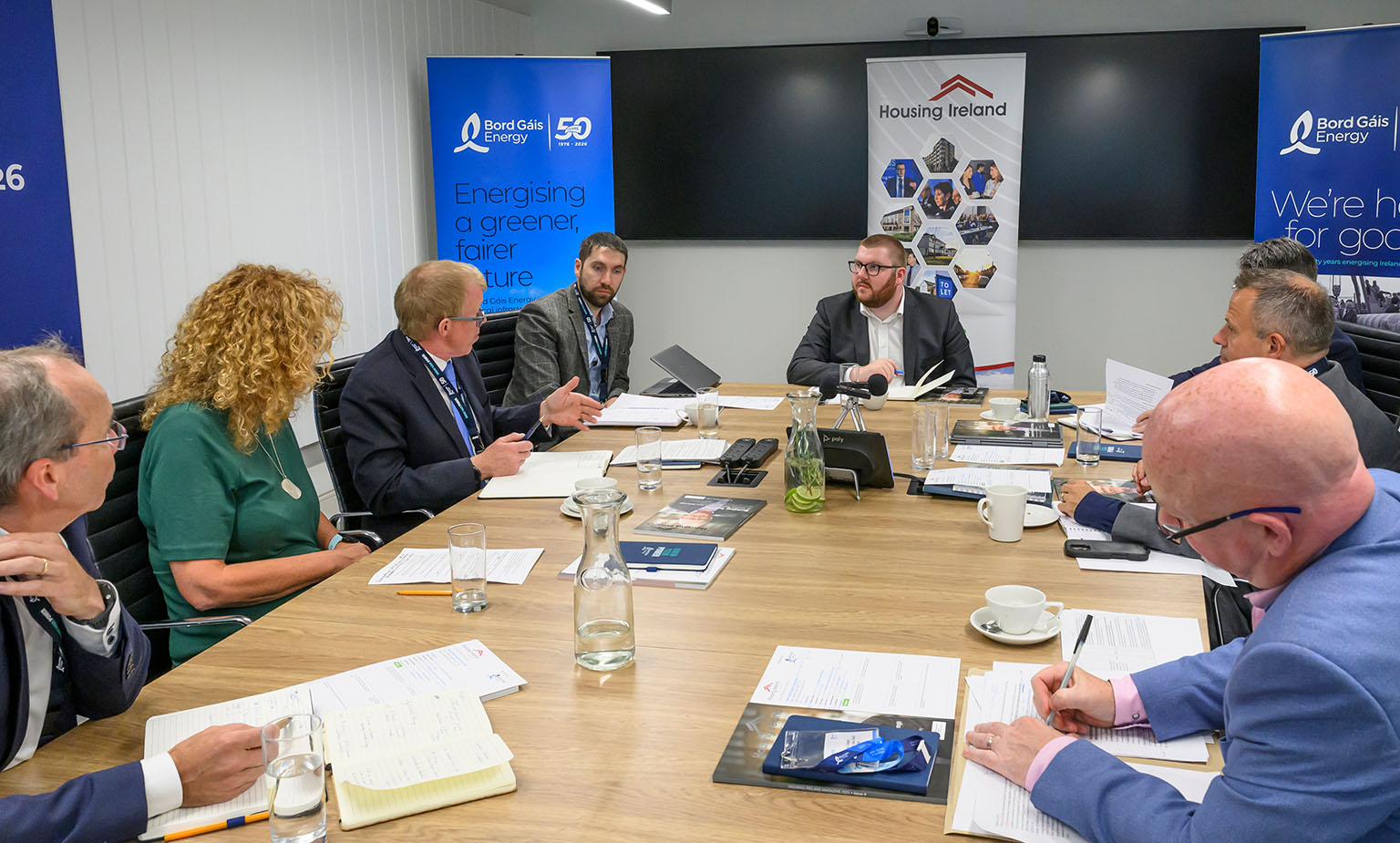
14th September 2026Roundtable discussion: Skills for Ireland’s green future
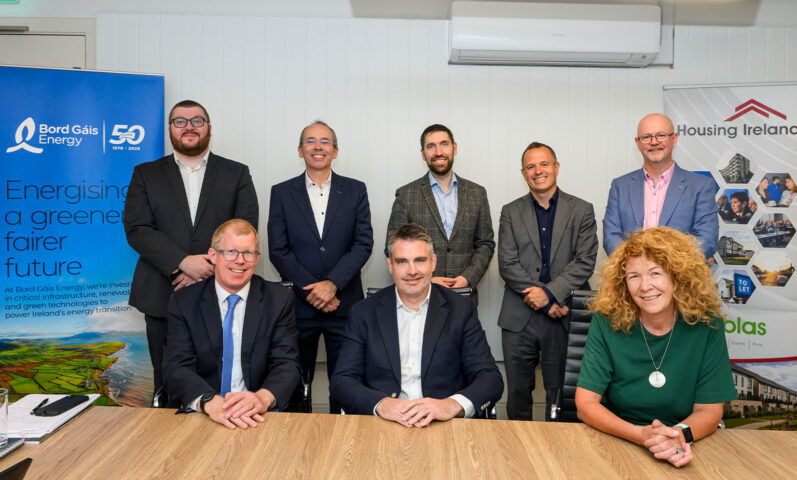
Bord Gáis Energy brings together experts from government, industry, and research for a round table discussion on the skills needed to deliver Ireland’s green transition.
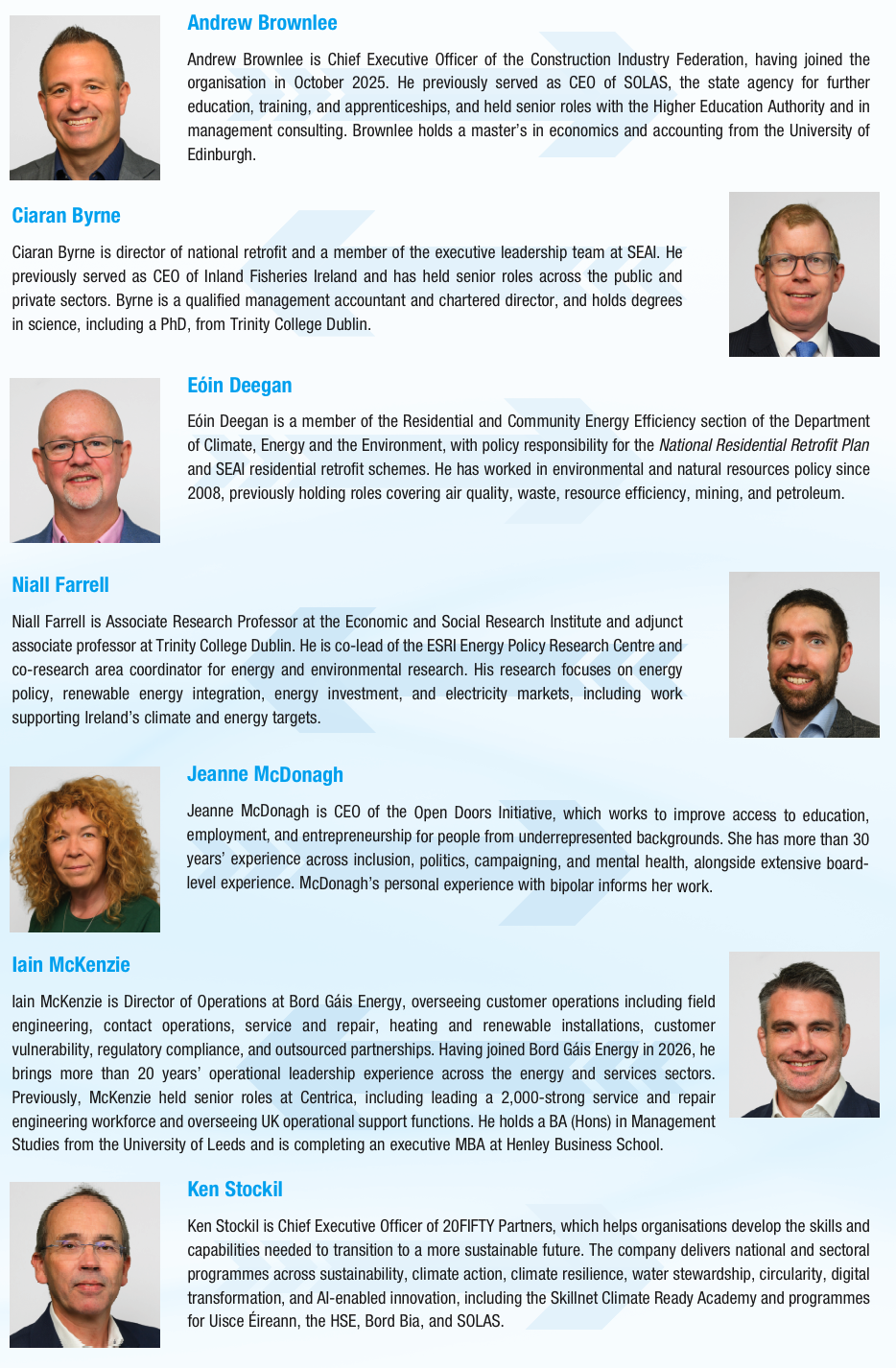
What is the biggest barrier to building the green workforce Ireland needs and what would make the greatest difference over the next five years?
Iain McKenzie
The biggest barrier is not a lack of ambition, but the gap between demand for green skills and the capacity of education, training, and delivery systems to scale quickly enough. There is already significant activity, including accredited retrofit programmes and growing solar and electrical skills, but the challenge is accelerating these pathways to meet demand. We need the right balance between employer-led practical experience, attracting people into green careers, and upskilling existing workers. Consumer confidence, safety, and quality standards will also be critical as the workforce expands and new technologies are deployed at greater scale.
Andrew Brownlee
The biggest challenge is competing priorities. Ireland needs to build more homes and infrastructure while also retrofitting around 500,000 homes, requiring the construction workforce to expand significantly. While training and clear targets for green skills are already in place, industry engagement remains insufficient. Ireland has retrofit centres of excellence and training facilities, but courses are not being taken up because employers are reluctant to take workers away from sites when there is already strong demand for labour. The priority over the next five years should therefore be finding ways to engage industry and create the imperative for employers to invest in retrofitting skills.
Eóin Deegan
Ireland has significant ambition around housing, energy efficiency, heat pumps, and emissions reductions, but the key challenge is delivering these targets at scale and pace. That requires a larger, well-trained, and well-skilled workforce. The new construction and retrofit sectors can complement each other by growing the overall workforce. Education and training providers are already working to expand and improve courses, including making them more accessible and available online. Over the next five years, the priority should be growing the workforce while making green careers as attractive and accessible as possible to new entrants.
Ken Stockil
Government is already developing educational and training interventions through initiatives such as the Climate Ready Academy, apprenticeships, and eCollege. However, industry engagement is changing, and we need to understand what is driving that change. Historically, green skills were often presented primarily as a way of reducing carbon emissions and environmental impacts. Increasingly, businesses are more focused on climate resilience and ensuring their operations can withstand future risks. We need to respond to that shift by framing green skills and training around business resilience as well as mitigation. Connecting the green skills agenda more directly to industry’s immediate and future needs could strengthen engagement.
Jeanne McDonagh
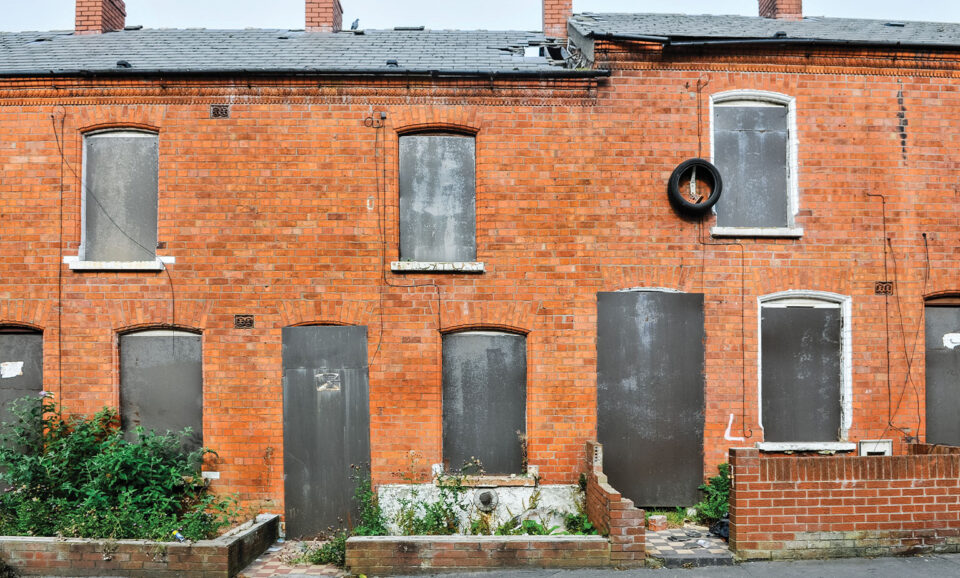
Ireland needs to look at several measures simultaneously, including making it easier for qualified people from abroad to transfer their qualifications and providing affordable retraining. Accommodation is also critical if Ireland is to attract the workers it needs, requiring greater use of modular housing and faster conversion of vacant and derelict buildings. The greenest building is often the existing building, so there is significant potential there. We also need better communication about career pathways, including in multiple languages, alongside intensive English-language training for migrants. Organisations such as Open Doors already have thousands of people seeking work or retraining, so greater investment in making people work-ready could unlock a significant workforce.
Ciaran Byrne
The fundamental challenge is having enough people, with estimates suggesting tens of thousands of additional workers will be needed in clean and green sectors. Once we have the workforce, however, we need to consider how effectively those people are deployed across competing priorities. Modern methods of construction will improve productivity, while retrofit demand varies significantly between areas such as solar and heat pumps. At present, Ireland may have enough workers for current heat pump demand, but future targets will require that capacity to grow exponentially to reach stretched targets. There is also significant potential to retrain people already in Ireland, but ultimately the priority is establishing the workforce base needed to meet future demand.
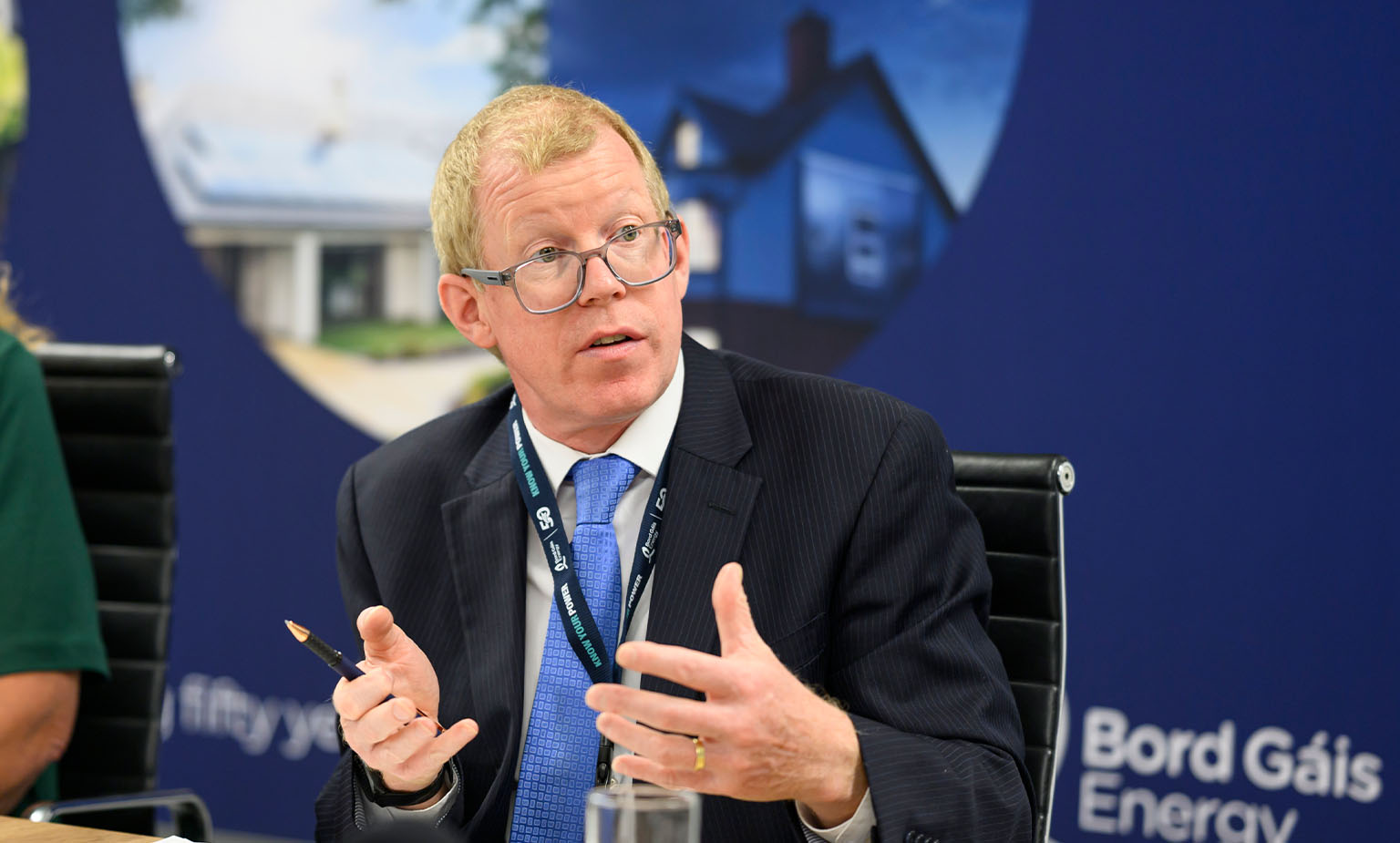
“Modern methods of construction will improve productivity, while retrofit demand varies significantly between areas such as solar and heat pumps.” Ciaran Byrne
Niall Farrell
Full employment means increasing demand for skills is difficult to meet with the existing workforce, while additional demand can also create inflationary pressure. One approach could be prioritising less inflationary activities in the short term while building capacity through apprenticeships, training, and migration. Renewables could be prioritised initially, while workforce capacity develops for other areas. Attracting migrant workers is also becoming harder because Ireland faces high accommodation and living costs. Modern methods of construction, greater use of vacant and derelict homes, and potentially adding construction trades to critical skills lists could help. These measures could increase capacity while supporting climate targets without placing excessive pressure on prices.
How can Ireland attract and support more people into careers in construction, engineering, and energy?
Jeanne McDonagh
Ireland needs to create clearer pathways into construction, engineering, and energy for underrepresented groups and people already living here or arriving from abroad. There is a significant pool
of people seeking work and retraining, but they need employers to engage with them and provide opportunities. Programmes such as STEP can help displaced people access employment, while training should be expanded nationwide and made more accessible. We also need to address the gendering of these sectors and ensure women can access opportunities. Better communication about career pathways is essential, alongside support such as language training. The people are there; we need to build the pathways.
Ken Stockil
We need to communicate that construction, engineering, and energy offer careers with real purpose. Young people increasingly want to work in areas where they can make a meaningful contribution, yet we do not always communicate the importance of these sectors effectively. Without housing, energy supply, construction, and engineering skills, Ireland cannot address many of the challenges it faces. Industry also needs to demonstrate that these are values-driven careers with a wider social and environmental purpose. Strengthening that message, particularly when engaging young people through education and training systems, could make these careers more attractive to a new generation of workers.
Iain McKenzie
We need to reposition construction, engineering, and energy roles as future-critical careers rather than transactional trade skills. That starts with stronger STEM engagement in schools and making these pathways attractive to a broader range of people, including women and migrant workers. There is already progress: our apprenticeship programme now has 22 apprentices, including women, while we are investing in upskilling, cross-skilling, and green skills training. We are also exploring how to use wider UK expertise to strengthen our training provision. More work is needed on accessibility and gender balance, but ultimately it is about rebranding these roles and communicating their importance to the future.
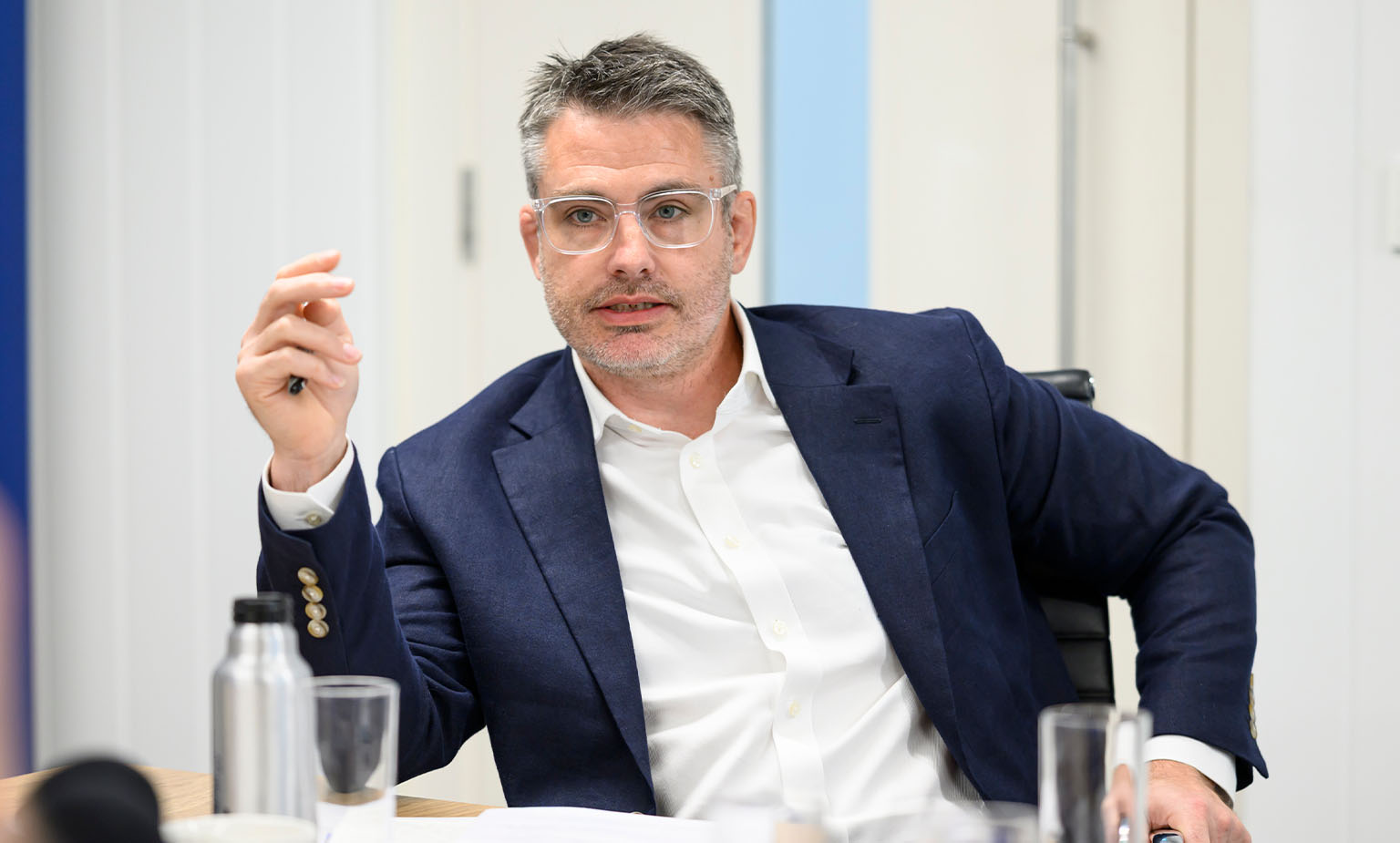
“We need the right balance between employer-led practical experience, attracting people into green careers, and upskilling existing workers.” Iain McKenzie
Jeanne McDonagh
Societal integration is also essential for people coming to Ireland to work. Migrant workers need to feel welcome and part of Irish society, particularly as racism is increasing and creating additional barriers. This is a broader issue than cannot be addressed through employment policy alone, but it is important if Ireland is to successfully attract and retain the workers it needs. Ensuring people feel secure, respected, and integrated should therefore form part of the wider strategy for attracting talent into construction, engineering, and energy.
Ciaran Byrne
Ireland needs to fundamentally change how it values trades. Traditionally, academic careers have been prioritised, while trades were often viewed as a lesser pathway. That needs to change, starting in primary school and involving parents as well as children. Green careers offer clear purpose: installing heat pumps, solar panels, retrofitting homes, and decarbonising building infrastructure directly support climate and environmental goals. These roles are also resilient to AI because they require practical skills. There is a huge opportunity to create careers across the country, not just in major cities, while also supporting foreign workers to support the green transition, and ensuring they receive proper standards and conditions of employment.
Niall Farrell
A career in the trades offers several attractive qualities: clear purpose, strong demand, job security, and increasingly competitive pay. We need to communicate that message more effectively, particularly to younger people considering their career options. Trades could become the next major career pathway, much as civil engineering and IT were particularly attractive in previous generations. However, we should also consider the people further up the value chain who run construction businesses. If there are barriers making it difficult to establish and grow firms in Ireland, addressing those issues could strengthen the industry and create additional opportunities for people entering these sectors.
Andrew Brownlee
We need to change perceptions of construction and present it as a modern, high-tech, people-focused industry. Many still associate construction with working outdoors on sites, but modern methods include off-site manufacturing, robotics, digitisation, and new approaches to retrofit. It is also an industry that will remain resilient to AI because practical work will always require people. We have made progress in recognising trades and apprenticeships as equally valuable career pathways, but we need to market them more effectively. We should also expand access through boot camps and intensive traineeships, particularly for retrofit, where people may not need a traditional degree or full apprenticeship to gain the necessary skills.
Eóin Deegan
Government investment is providing a strong signal that retrofit and green construction will be long-term growth areas. The National Development Plan has allocated €3.7 billion to retrofitting, while the National Residential Retrofit Plan identifies skills supply as a core priority. Six operational centres of excellence and other measures are supporting this. This investment provides certainty for businesses to recruit and develop staff, while funding is expected to grow as Ireland approaches 2030. We also need to communicate the wider benefits of retrofit more effectively. More than half of spending supports warmer homes for people at risk of energy poverty, so these careers directly contribute to people’s wellbeing and quality of life.
Is Ireland facing a skills shortage or are we failing to connect people with the opportunities that already exist?
Niall Farrell
I think the answer is both, but the shortage is more acute in the short term. We are effectively at full employment, so the challenge is getting the right mix of people into the trades and professions we will need. We need to emphasise the attractions of these careers: clear purpose, good pay, job availability, and greater security from risks such as AI. In the medium to long term, those factors can help shift the balance towards the trades we need. In the short term, however, there is likely to remain a genuine skills shortage while we build that capacity.
Ciaran Byrne
I think the answer is both: there is a skills shortage, but we are also failing to connect people with opportunities. Smaller firms are often too busy to take workers off the job for training, even when courses are available. We need more flexible, targeted interventions that allow people to build skills incrementally, much like the IT sector. There is also a wider question about how we connect people with the purpose and values of these careers. The opportunities are there across the country, particularly in construction and retrofit, but we need to make those pathways easier and more attractive.
Jeanne McDonagh
I think we are overlooking obvious candidates and failing to meet wider societal needs. People with disabilities, for example, often have the skills and willingness to work but face barriers around accessible housing, transport, and workplace understanding. SMEs are another important consideration: they are among Ireland’s biggest employers but are often too time-poor to facilitate lengthy training. So we need to design solutions around their needs. Ultimately, I would say this is less about a lack of skills and more about a lack of skills transfer. We need better communication, stronger pathways, and a clearer demonstration of the value of these careers.
Ken Stockil
We need to unlock the people making decisions within organisations. Green competencies are not simply technical skills; they include systems thinking and the ability of managers and leaders to connect people with opportunities. Many programmes have focused on climate awareness and technical skills, but we need to frame this around business competitiveness and national economic resilience. Training also needs to be short, practical, and directly linked to business needs, ideally producing a tangible action plan. We should also recognise the role of apprenticeships and new sustainability-focused programmes in developing the skills needed to make those connections and unlock existing talent.
Eóin Deegan
Transferability is crucial. We need to grow the overall labour force while making it easier for people to move between areas such as new construction and retrofit. There does not necessarily have to be a conflict between the two. We should make it easier for people who want to work locally, rather than travelling to major centres, to move into retrofit opportunities. Apprenticeships will also be important, alongside the significant investment already committed through the NDP and climate action plans. We also need to better communicate the wider value of retrofit, particularly its role in tackling energy poverty and improving people’s quality of life.
“We need to balance the urgency of meeting ambitious climate targets with the need to ensure training provides genuine, job-ready skills.” Eóin Deegan
Iain McKenzie
I think it is both attractiveness and skills shortages. We need to unlock decision-makers through short, modular interventions where the impact is clear and relevant to their business. The same applies to technical skills. Four-year apprenticeships are valuable, but they represent a significant commitment. There is an opportunity to complement them with more tactical, modular training focused on specific skills, while maintaining the necessary safety and quality standards. Poor-quality installations ultimately undermine consumer confidence. Developing more flexible apprenticeship pathways and modular training could therefore help address both the skills shortage and the wider challenge of connecting people with available opportunities.
Andrew Brownlee
The answer is both. There is an opportunity to encourage people to move into the industry mid-career, particularly into retrofit, but we also need to connect employers with the opportunities available. Much of the construction sector is highly fragmented and SME-based, so if we want more companies involved in retrofit, we need to incentivise them. That could include grants, allowances, or voucher schemes that support companies in sending workers for relevant training and then pursuing retrofit work. We also need to address the wider mismatch between qualifications and jobs, while presenting construction as the modern, high-tech, and increasingly diverse industry that it is.
“While training and clear targets for green skills are already in place, industry engagement remains insufficient.” Andrew Brownlee
How can Ireland develop green skills more quickly while maintaining quality, safety, and consumer confidence?
Andrew Brownlee
We need to use different models for upskilling and reskilling, including traineeships and bootcamps. These should be marketed as accessible pathways into meaningful careers, where people can be trained on site within months. It needs to be presented as a positive career move and a practical way to contribute to the climate transition. I think this could benefit from a dedicated campaign bringing together the relevant organisations and training providers. With the right people around the table, we could develop something tangible relatively quickly.
Eóin Deegan
We need to make more training options available, including online where appropriate, while ensuring courses are scalable. The challenge is getting people through training in a meaningful way and ensuring they emerge with the skills needed to undertake meaningful work as quickly as possible. We need to balance the urgency of meeting ambitious climate targets with the need to ensure training provides genuine, job-ready skills.
Iain McKenzie
There has to be a solution through accelerated learning pathways that do not compromise standards. Poor-quality installations ultimately undermine consumer confidence and become more costly in the long term. We need to find the right balance between pace and quality, learning from examples where rapid expansion resulted in standards slipping. There are opportunities to create accelerated pathways into technical skills, including for people transitioning from other careers. The key organisations are already around the table, so there is an opportunity to develop these pathways collaboratively.
Niall Farrell
We should understand exactly what prevents people from taking up these opportunities rather than assuming information alone will change behaviour. Research shows that simply providing information does not always overcome barriers. Identifying the specific impediment allows us to target the solution more effectively. When it comes to encouraging people into green skills, understanding what is actually holding people back, then designing interventions around those barriers rather than relying on general promotion may provide the greatest impact.
Ciaran Byrne
We need quicker, more tactical upskilling pathways, but maintaining quality is critical. Solar PV shows how quickly an industry can grow, but rapid growth can also create problems with oversight and standards. There is a real business cost to doing things properly, from safety equipment to proper installation practices, while others may undercut that by cutting corners. We therefore need both a carrot and a stick: make it as easy as possible for businesses to do the right thing, but ensure there are consequences for poor practice. It is far better to get installations right first time than retrofit a retrofit.
Jeanne McDonagh
We should look at what other countries are doing successfully and bring those models to Ireland. There is no need to reinvent the wheel when effective approaches already exist elsewhere. We should identify the training and skills models that work, adapt them to the Irish context, and implement them quickly.
“Ireland needs to create clearer pathways into construction, engineering, and energy for underrepresented groups and people already living here or arriving from abroad.” Jeanne McDonagh
Ken Stockil
We should recognise what Ireland is already doing well and build on successful programmes rather than constantly starting from scratch. The Water Stewardship programme is a good example: it uses short, action-based micro-learning, with four sessions leading to a practical action plan, and has achieved strong engagement and international recognition. We should identify programmes with demonstrable impact and direct investment towards scaling them. Given how quickly policy and technology are changing, international collaboration is also important. We can learn from other countries while sharing successful Irish approaches, as is already happening with water skills programmes.
If Ireland successfully delivers its housing and climate ambitions over the next five years, what will have made the biggest difference?
Ciaran Byrne
I think success by 2030 will come from getting the balance of carrot and stick right. We have created demand for new housing and retrofit, while building the skills base alongside it. The National Residential Retrofit Plan captures the four things we need: governance, funding, skills, and demand generation. If you create demand without the skills, you fall flat; if you create skills without demand, you fall even flatter. By 2030, we need the right balance of incentives and requirements, with people understanding what is needed and a values- and purpose-driven workforce delivering it.
Niall Farrell
On housing, we need to minimise the friction preventing capacity from being delivered. Issues such as planning reform could help in this regard. On climate, solar could make a particularly significant difference. It delivers immediate emissions and household bill benefits, but also provides flexibility to the electricity system. With batteries, solar can help shift consumption and make better use of renewable generation that might otherwise be curtailed. As solar deployment continues to grow, this combination of generation, storage, and flexibility could make a significant contribution to achieving our climate ambitions.
“Trades could become the next major career pathway, much as civil engineering and IT were particularly attractive in previous generations.” Niall Farrell
Jeanne McDonagh
We need to think laterally and learn from successful approaches elsewhere, such as Housing First in Finland. Housing and security of tenure provide the stability people need to participate in employment, education, and wider society. We also need to invest in people and educate the public about the wider benefits of this work. Success requires an inclusive mandate that brings everyone into these ambitions, particularly underrepresented groups. Companies also need to embrace social impact and demonstrate that they are delivering meaningful change, not simply pursuing financial returns.
Ken Stockil
By 2030, I would like Ireland to have set and delivered an ambition to become the most climate-resilient economy in the world. That requires strong leadership, collaboration and sustained investment in capability building. We need to be positive about the future while recognising the challenges ahead. Ireland has strengths we can build on, but achieving that ambition will require us to double down on what we do well and work collectively to develop the resilience needed across our economy and society.
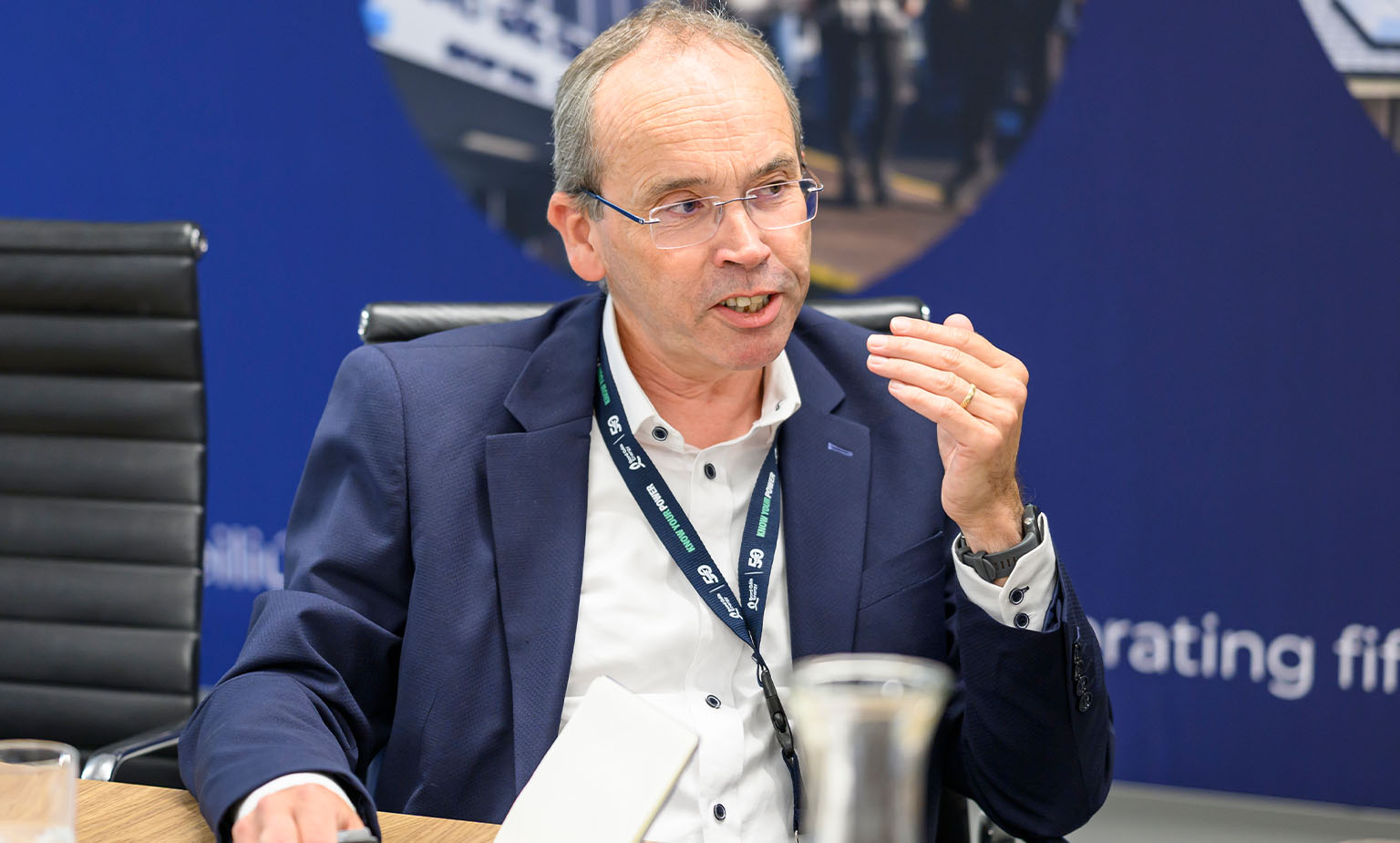
“We can learn from other countries while sharing successful Irish approaches, as is already happening with water skills programmes.” Ken Stockil
Eóin Deegan
We have already made significant progress, including meeting our first emissions ceiling, investing €1.9 billion in retrofit grants and upgrading around 275,000 homes. The National Residential Retrofit Plan has established the four pillars of demand, skills, finance, and governance, with €3.7 billion committed through the NDP. Looking ahead, we need to continue building on those foundations and improve how we communicate the wider benefits of energy efficiency and retrofit. These measures support climate action while also improving affordability, health and wellbeing, and energy security. If we communicate that effectively, public buy-in will grow.
Andrew Brownlee
Success in 2030 will depend on having an adequate pipeline of people coming through shorter, focused, high-quality training. From an industry perspective, I would also like to see a definable retrofit subsector established in Ireland. While retrofit will always involve sole traders and smaller operators, we need larger construction companies to build significant capacity in this area. That would create companies with the scale to ramp up delivery quickly while investing continuously in upskilling, innovation, and quality. Establishing a strong, sustainable retrofit industry would give us the capacity needed to meet our long-term targets.
Iain McKenzie
Looking back from 2030, the biggest difference will have been alignment around both the ambition and the solutions. Three things are particularly important: long-term policy clarity, public-private collaboration, and inclusion. Policy certainty is essential to give the private sector confidence to make significant investments and develop the workforce at scale. Collaboration can help address the practical challenges we have identified, while inclusion builds consumer confidence and wider engagement. If those elements come together, we can create the investment, skills, and confidence needed to deliver Ireland’s housing and climate ambitions.