Building at scale: Delivering Ireland’s next generation of communities
14th September 2026
Community-led housing: Exploring future policy pathways
14th September 2026Mixed housing progress

The mid-year report on the Government’s housing strategy asserts that good progress has been made on housing delivery and purchasing supports, but that improvement is needed on reducing homelessness.
The Government’s housing plan Delivering Homes, Building Communities was published in November 2025 and sets a target of delivering 300,000 new homes over its lifetime to 2030.
This includes the delivery of 72,000 social homes and the provision of 90,000 affordable housing supports.
To achieve these targets, the strategy features an infrastructure investment of €275 billion over 10 years, the largest ever in the history of the State.
Despite the inclusion of numerous lifetime targets, the Government did not include annual housing delivery targets in the plan. This decision received significant criticism from opposition parties, although the data on the number of annual homes completed will still be published.
This means that before the next election, which is to take place by the end of 2029, it will be more difficult to hold the Government’s housing delivery record to account as there will be no way of knowing if the 2030 target will be met.
Housing delivery
The housing plan is built around two pillars. The first of these, ‘activating supply’ focuses on increasing the delivery of homes through planning reforms, increased construction capacity, and sustained investment.
There has been significant progress in the delivery of new homes, with 36,246 completed in 2025, up from 30,136 in 2024, a 20.4 per cent increase and the highest level recorded since official data collection began in 2011.
This progress has continued into 2026 with 7,856 new homes delivered in Q1, a 33 per cent increase compared to the first quarter of 2025 and the highest level of first-quarter completions since records began.
Additionally, 13,120 new homes were commenced between January and May 2026, a 161 per cent increase on the 5,033 commencements which occurred in the same period in 2025.
This progress has been aided by almost 35,000 planning permission applications being granted from Q1 2025 to Q1 2026, an 8 per cent increase from the previous year.
In 2025, 9,089 new-build social homes were also delivered, a 16 per cent increase compared with 2024 and the highest number of new social homes built in any given year in the State’s history.
However, this is still below the target for 2025 of delivering 10,000 new social homes and further below the housing plan’s target of constructing 12,000 a year on average to 2030.
Increasing affordability
The second pillar of the housing plan is ‘supporting people’ which focuses on making homes accessible and affordable as well as tackling homelessness.
There has been some strong progress on this pillar, primarily through the increased delivery of housing supports.
In 2025, 17,700 supports were delivered under the Starter Homes programme, a 21 per cent increase from 2024. This is also 18 per cent above the housing strategy’s target of delivering an average of 15,000 supports every year to 2030.
The Help to Buy Scheme also received 27,899 applications in 2025, an 11.5 per cent increase compared to 2024. More applications were also approved in 2025 compared to 2024, rising from 8,541 to 9,575, a 12 per cent increase.
These increases in housing support delivery have contributed to an 8 per cent increase in homes purchased by first time buyers year on year with 20,300 bought in the year ending Q1 2026.
Homelessness
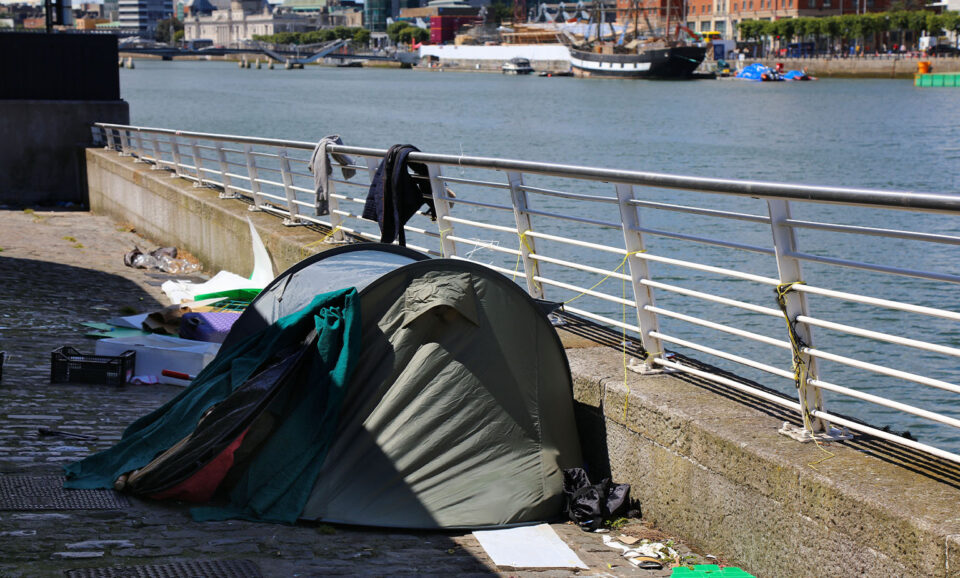
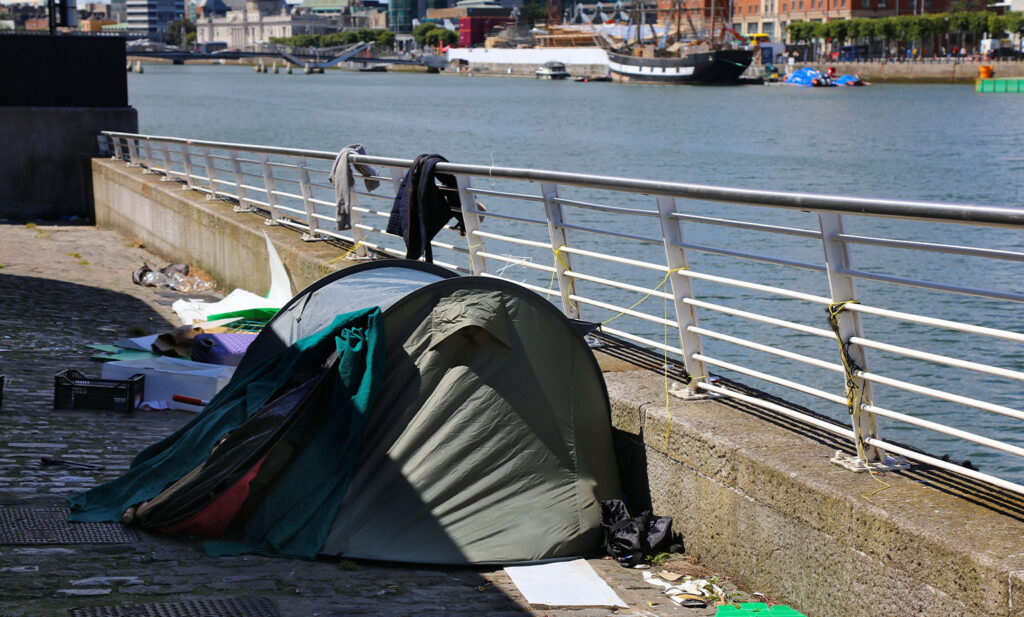
Considerably less progress has been made in reducing homelessness. The number of homeless people has consistently risen since the Government was formed in January 2025 and sits at 17,527 in July 2026, an increase of over 500 since the housing plan was published in November 2025.
Although many actions designed to tackle homelessness are contained within the housing plan, little work has been done in this area.
One initiative that has commenced is the Dublin Rental Accommodation Scheme pilot, which was launched in June 2026.
The scheme uses incentives such as long-term contracts, guaranteed monthly rent, and tax relief opportunities to encourage private property owners to use their homes for social housing.
Despite how significant an issue homelessness is within the State, this scheme represents the total action that has been taken to tackle it since the launch of the housing plan.
Additionally, the child and family homeless action plan, which the mid-year report states was due to be published in July 2026, has been delayed by the Government until September 2026.
Speaking at the launch of the report in July 2026, Minister for Housing, Local Government and Heritage, James Browne TD said: “All the key indicators are moving in the right direction. Planning permissions, commencements, and completions have all increased. The delivery of new social homes is at record levels. Affordable housing supports continue to expand.
“These are encouraging results, but this government is not complacent. My focus remains firmly on maintaining this momentum and ensuring that we deliver on our commitments by 2030.”
Speaking in March 2026, Labour’s housing spokesperson, Conor Sheehan TD, said: “Minister Browne is presiding over the greatest housing crisis of a generation and he needs to publish new housing targets for social and affordable housing. The fact that there is no appetite for action coming from his department is not acceptable.
“9,089 social homes were built in 2025, despite a target of 10,000. Minister Browne confirmed that 5,946 new build social homes were delivered in Q4 of 2025. This is an abject failure.”